
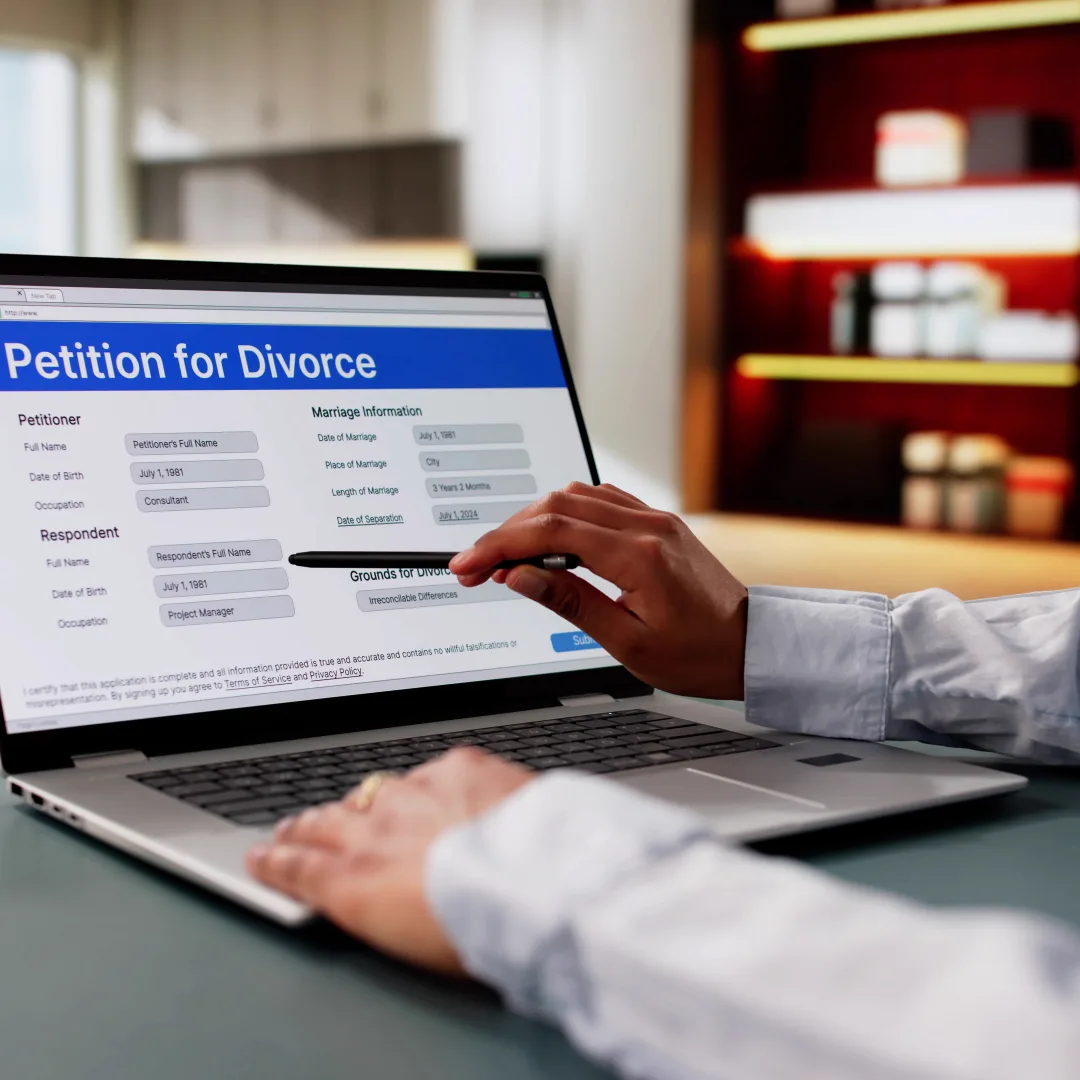
To delete divorce records online you must locate every place your case appears (court databases, background check sites, people search engines and search results), establish the legal basis to restrict or remove each one, and then keep watching so the records do not resurface. Because divorce files are usually public and copied across many databases, doing this reliably takes specialist help. World Delete handles the full process for you.
What Divorce Records Are and Why They Hurt You Online
In most jurisdictions a finalized divorce becomes a public court document. From there the information is copied and re-published far beyond the courthouse, appearing on:
- Court databases and official government websites
- Background check services that resell public records
- People search engines that aggregate public data
- News archives, if your divorce received media attention
- Social media and online forums, where information may be shared
The damage is real. Potential employers, new partners, business associates and even bad actors can dig up details about your former marriage, financial settlements and personal circumstances. What should be a private chapter of your life becomes a permanent liability that shapes how strangers judge you, and it can weigh on your relationships and peace of mind long after the divorce itself is behind you.
How the Removal Process Works, at a High Level
Deleting divorce records online is not a matter of clicking "remove" on a couple of websites. A serious removal follows a small number of conceptual phases, each of which requires judgement rather than a fixed recipe:
- Locate: map every instance of the record across court databases, data brokers, people search sites, cached pages and media, including the copies most people never find.
- Classify the legal basis: determine, source by source, which lever applies, whether that is record sealing, expungement, redaction, a privacy or data protection right, or a platform's own removal policy.
- Choose the route: match each source to the most effective path, since a court petition, a data broker request and a search engine de-indexing are entirely different processes with different requirements.
- Verify and monitor: confirm each removal actually took effect and keep watching, because records copied from another database tend to reappear.
Every one of these phases hides real complexity. The legal options vary by jurisdiction, verification often means handing over more personal data, and the same record can live in dozens of interconnected databases at once. This is exactly the kind of work where a small mistake is costly and where experience makes the difference.
Why Doing It Yourself Is a Trap
Trying to delete divorce records on your own feels cheaper, but it usually leads to worse outcomes than doing nothing at all. The most common traps are:
Incomplete removal
Clearing a few visible sources while missing dozens of hidden databases creates a false sense of safety. The information keeps spreading from the copies you never located.
Legal complications
Filing court paperwork incorrectly can permanently forfeit your chance to seal or expunge a record, create fresh public records documenting your attempt, and in some cases expose you to penalties for improper requests.
Higher visibility, not lower
Clumsy removal attempts can backfire by generating new indexed pages about your request, triggering search engines to re-crawl old records, and prompting aggregators to refresh their databases with your details.
New privacy exposure
Removal forms often demand extra identity data. Submitting it through insecure or dubious sites hands aggregators new data points and can put you in front of bad actors posing as legitimate services.
In short, the DIY route asks you to master privacy law, data broker tactics and search engine behaviour at the same time, under emotional pressure, with your own reputation as the test case. That is why so many people who start alone end up calling in specialists after the problem has grown. You can skip that painful detour and talk to the World Delete team from the start.
How World Delete Solves It
World Delete removes divorce records as a managed service, so you never have to navigate courts, brokers and search engines yourself. Our approach combines legal and technical work into a single coordinated case:
- Full discovery: we map every instance of your divorce records across public databases, background check sites, people search engines and search results.
- Multi-channel removal: we address court records, data broker listings, search results and cached content together, so sources cannot feed each other back to life.
- Legal support: where appropriate, our network includes legal professionals who assist with sealing, expungement or redaction petitions, prepared correctly the first time.
- Ongoing monitoring: because divorce records tend to reappear, we keep watching and remove new instances as they surface.
- Absolute discretion: we handle your case confidentially, making sure the removal process itself does not create new exposure.
Our work is backed by internationally recognised standards. World Delete holds ISO 9001 quality certification and ISO 27001 information security certification, and we handle every case in line with the GDPR and applicable data protection rules, so your most sensitive information stays protected throughout.
Frequently Asked Questions
Can divorce records really be removed from the internet?
In many cases, yes. Depending on your jurisdiction and circumstances, records can be sealed, expunged, redacted or de-indexed, and copies held by data brokers and people search sites can be removed. The right combination varies from case to case, which is why World Delete reviews your situation before defining a plan.
Why not just submit the opt-out forms myself?
You can, but data brokers deliberately make opt-outs slow and obscure, court petitions are unforgiving of mistakes, and records copied elsewhere tend to reappear. Handling it piecemeal usually leaves gaps and can even raise your visibility. A coordinated removal across every source is far more effective.
Will removed divorce records come back?
They can, because aggregators constantly re-copy public data. That is why World Delete does not treat removal as a one-time task and instead monitors your record over time, removing new instances as they surface.
How do I start with World Delete?
Reach out for a free, confidential assessment. We review where your divorce records appear, tell you exactly what can be removed and how, and manage the entire process on your behalf. You can contact our team here.
Discover more articles about Guides to protect your online reputation and digital privacy.
Ready to take back control of your online presence?
Our team reviews your case for free and tells you exactly what can be removed and how.
Get a free assessment